
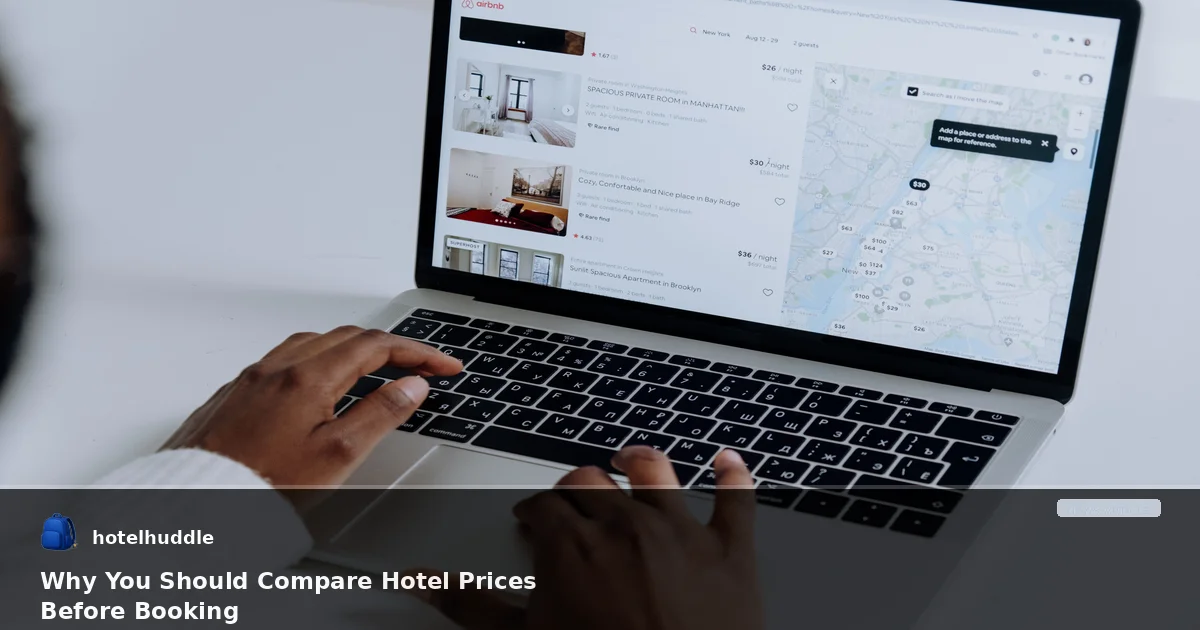
The "First-Click" Trap: Why Your First Price Is Rarely the Best
When you search for a room and tap the first result, you are almost never seeing the true market value. You are seeing the price one booking site decided to show you, at one moment, under one set of conditions. The same hotel room can be listed at several different prices across channels at the exact same time, and the number that appears first is rarely the lowest.
This is the "first-click" trap. It feels efficient, but it quietly costs travelers money on nearly every trip. The fix is simple and free: compare hotel prices before you commit, and treat your first quote as a starting point rather than a final answer.
Hotel Rates Move More Than You Think
Most travelers assume a hotel room has one price. In reality, a single room for a single night can carry a half-dozen different rates depending on where you look. Hotels publish a rack rate, online travel agencies negotiate their own contracted rates, and direct-booking channels often run promotions that never appear anywhere else.
Add in the way pricing shifts with demand, and the same room that costs one amount at noon can cost something different by evening. When you compare hotel prices across channels, you stop betting your budget on whichever site happened to load first and start seeing the actual range the market is offering.
What Changes When You Compare Before You Book
Comparison does more than surface a lower number. It changes the way you shop:
- You see hidden fees sooner. A nightly rate that looks cheaper can climb fast once resort fees, taxes, and cleaning charges appear. Comparing the all-in total, not the headline rate, protects you from surprises at checkout.
- You find promotions others miss. Members-only rates, package deals, and mobile discounts often live on one channel and not another. You only find them by looking across more than one place.
- You learn the real market price. When several channels cluster around a similar number, you know the fair range. When one quote sits well below the rest, you know a genuine deal when you see it.
How to Compare Hotel Prices the Smart Way
You do not need a dozen open tabs to do this well. A focused approach gets most of the value:
- Start with a comparison tool. Use a platform that pulls multiple rates side by side so you can compare hotel prices in one screen instead of rebuilding the same search over and over.
- Check the all-in total. Always expand to the final price with taxes and fees before you judge a deal.
- Watch the booking terms. A slightly higher rate with free cancellation can be worth more than a rock-bottom price that locks you in.
- Note the rate's flexibility. If your dates can shift by a night, re-running the comparison can open a cheaper window.
From Comparison to Negotiation
Comparing rates tells you what the market is charging. The next step is deciding you do not have to pay it. HotelHuddle is built for exactly this: it is a hotel price comparison and negotiation platform where you can compare hotel prices first, then name your own price and let hotels compete to accept it.
The service is free for consumers. There is no per-request fee, and you are never obligated until a hotel accepts your offer. Instead of settling for the first-click price, you compare the market, set a rate that makes sense for your budget, and submit it. Learn more about how the process works on our hotel price negotiation page.
Make the First Click Your Only Comparison
The travelers who save the most are not the ones who book fastest. They are the ones who spend a few minutes understanding what a room is actually worth. When you compare hotel prices before booking, you turn a blind first click into an informed decision, and you keep the difference in your pocket.
Browse the best hotel deals across destinations, use the compare hotel prices tool to see rates side by side, and check our hotel discounts to see how negotiation can lower the number you actually pay. The right room at the right price is rarely the first one you find, but it is almost always the one you compare first.